Gallery





Listen free to J.Zen – Midsummer Night (Midsummer Night, Ocean of Dreams and more). 4 tracks (). Discover more music, concerts, videos, and pictures with the largest catalogue online at Last.fm.
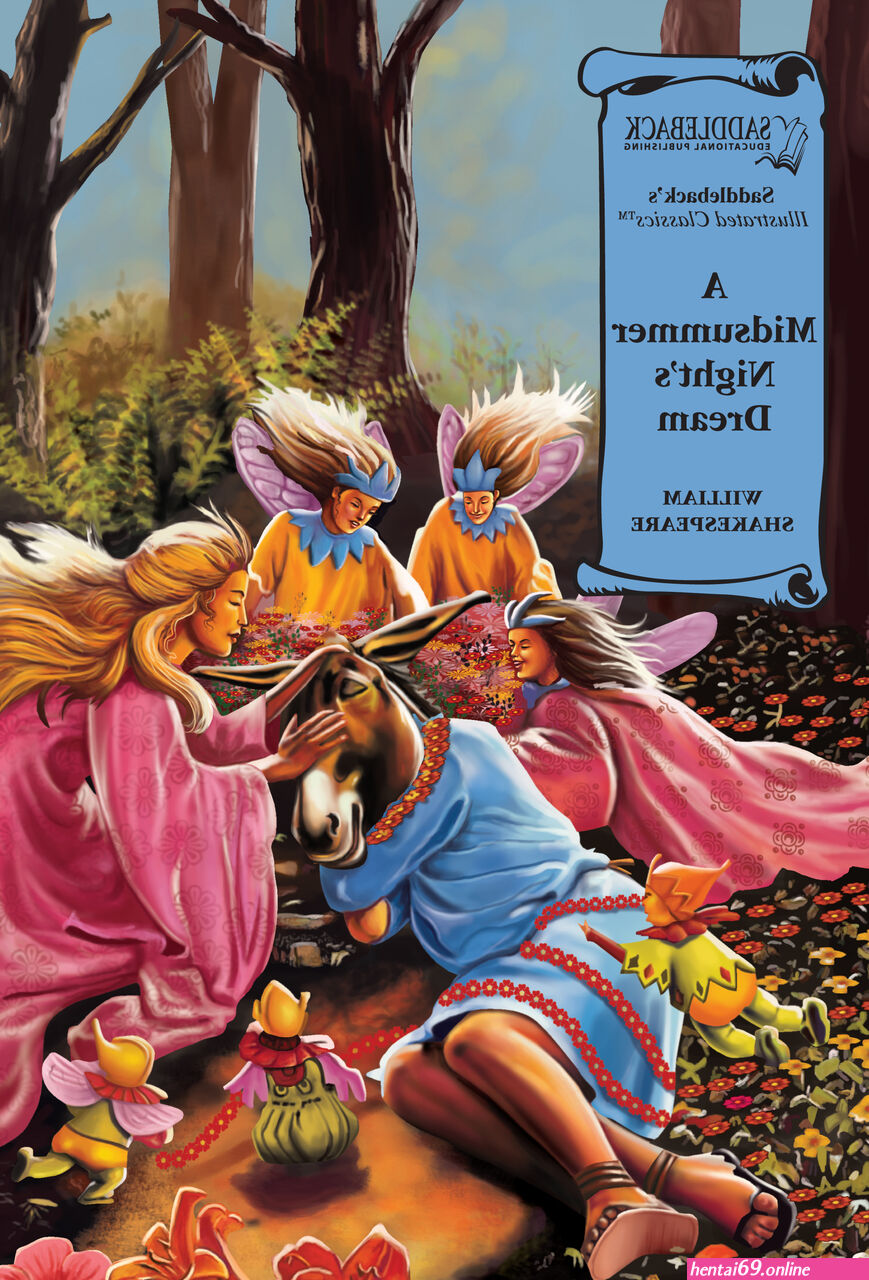
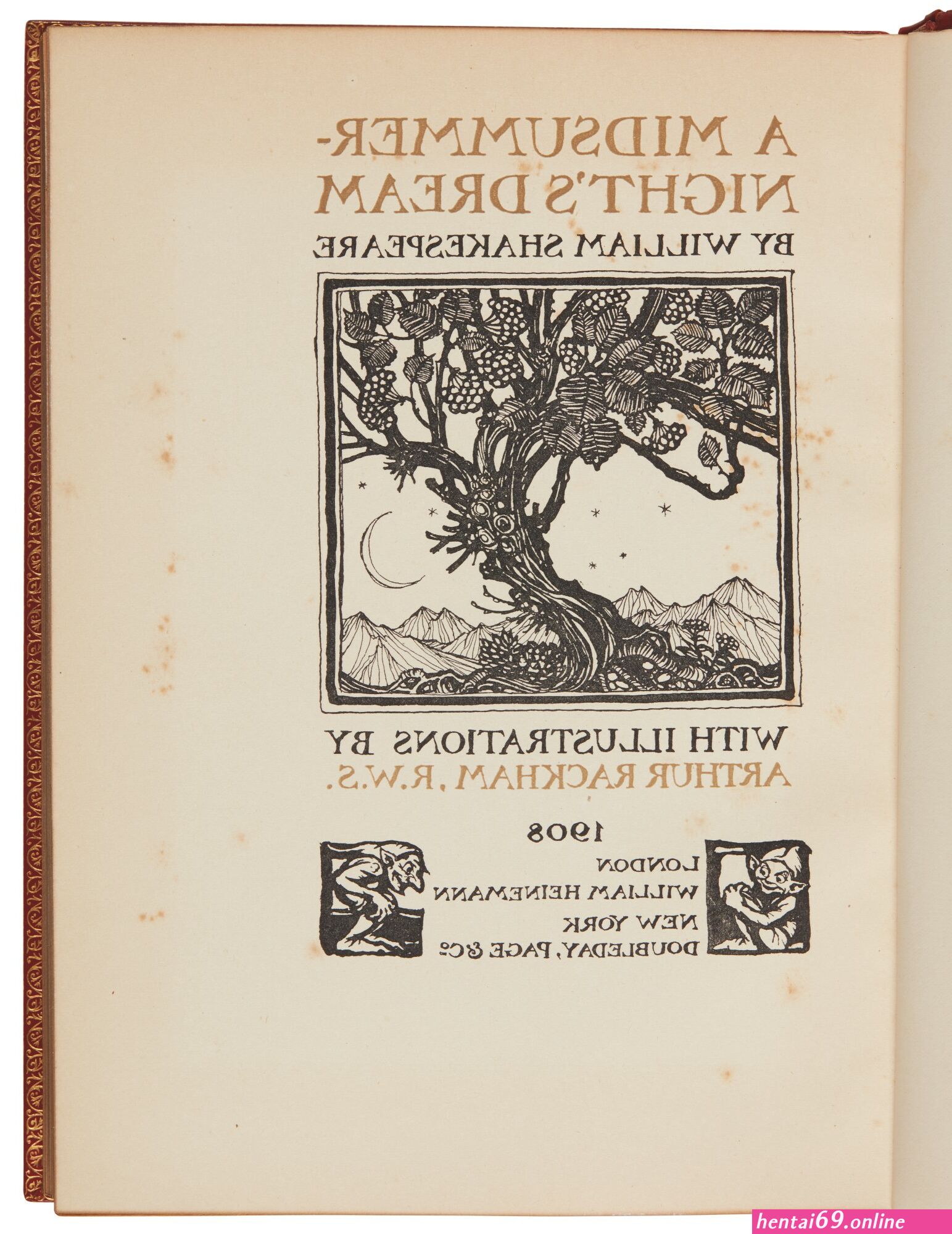
A Midsummer Night’s Dream takes place in mythical Athens. The theme of the story is that love has no laws and is blind and unpredictable. William Shakespeare wrote many great comedies and tragedies. This story, an entertaining fantasy, takes the reader through a romantic farce on a midsummer’s eve, during a time of great rejoicing amongst the elves and fairies who live in the woods. Puck, Oberon, Theseus, Hermia, Demetrius, Helena, Bottom, and Lysander are just a few of the characters in this timeless, world-famous comedy.
Download veloce, direttamente da mega, per questo gioco di Empress games.
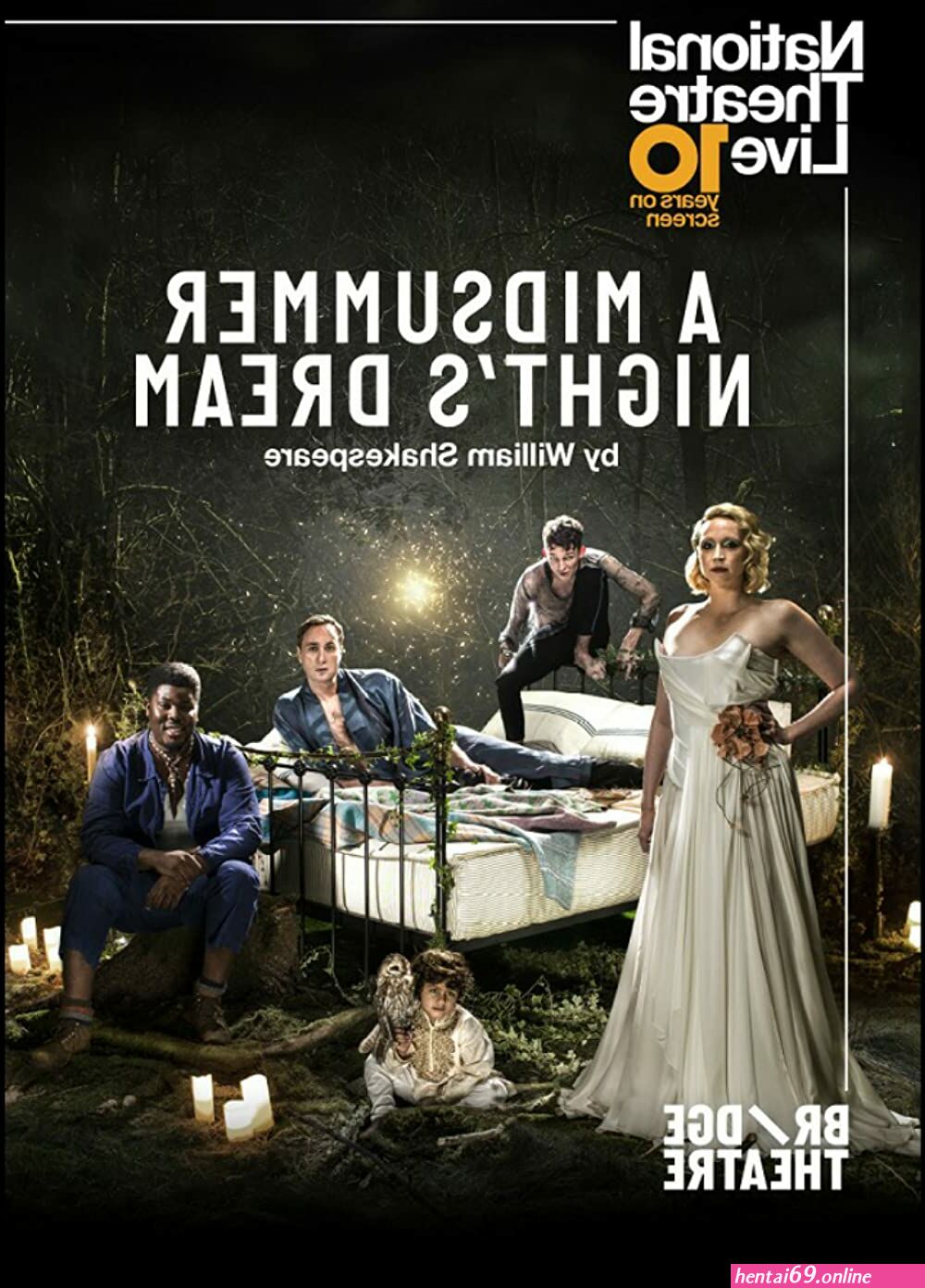
A Midsummer Night’s Dream By William Shakespeare
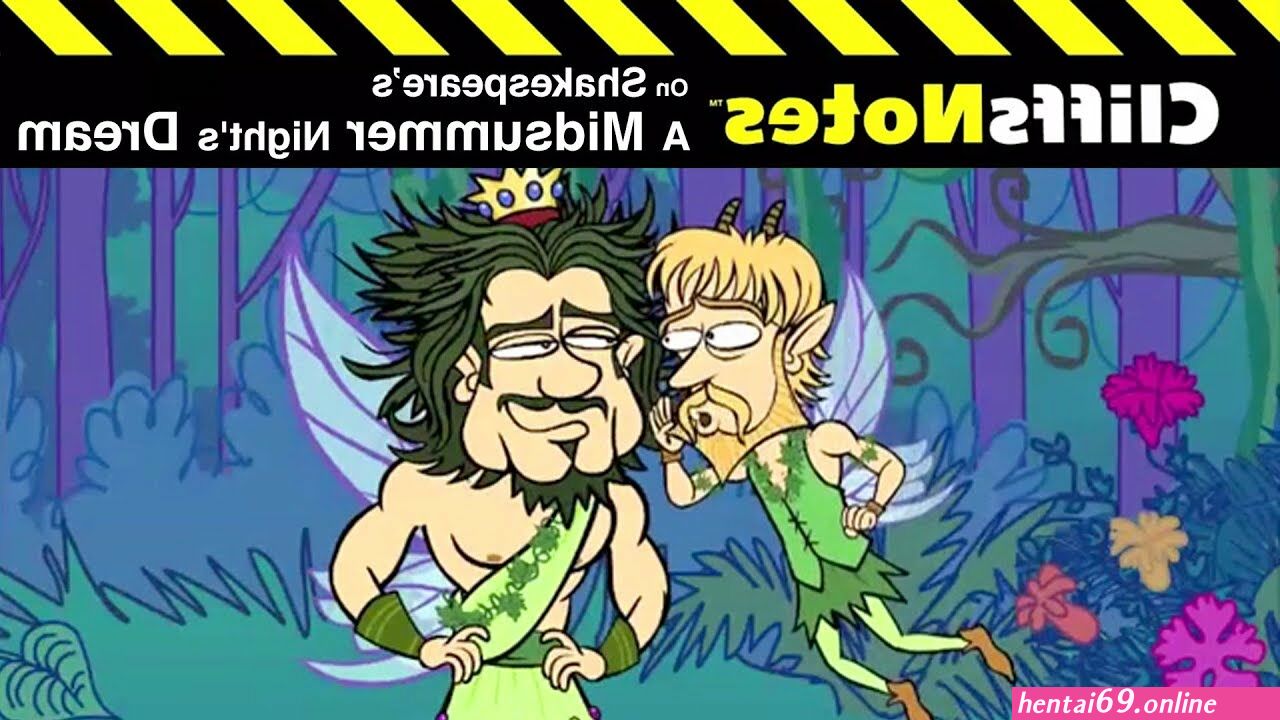
Most famous quote: • Lord, what fools these mortals be! Oberon’s Jester • I am that merry wanderer of the night. I jest to Oberon and make him smile He has the last line in the play: • So, good night unto you all. Give me your hands, if we be friends, And Robin shall restore amends. 5
Oberon- The king of the fairies • Oberon – Oberon is angry with his wife, Titania, because she refuses to give up control of a young Indian prince whom he wants for a knight. Nature is distraught because Oberon and Titania are fighting • And this same progeny of evils comes From our debate, from our dissension; We are their parents and original. 6
Titania – The beautiful queen of the fairies • Titania resists the attempts of her husband, Oberon, to make a knight of the young Indian prince that she has been given to raise. Wife of Oberon • She has a quick temper and a fierce loyalty. 7
The Craftsmen’s Play • The play-within-a-play that takes up most • of Act V is used to represent many of the important ideas and themes of the main plot. Bumbling Actors • Because the craftsmen are such bumbling actors, their performance satirizes the melodramatic Athenian lovers and gives the play a purely joyful, comedic ending. Comedy at its best. • The craftsmen’s play is a kind of symbol for A Midsummer Night’s Dream itself: a story involving powerful emotions that is made hilarious by its comical presentation. 27
SOURCES Unlike most of Shakespeare's dramas, A Midsummer Night's Dream does not have a single written source. The story of "Pyramus and Thisbe" was originally presented in Ovid's The Metamorphosis, making it one of many classical and folkloric allusions in the play. Other allusions include Theseus and Hippolyta's wedding, which is described in Chaucer's "Knight's Tale" in The Canterbury Tales, while theme of a daughter who wants to marry the man of her choice despite her father's opposition was common in Roman comedy. The fairies that dance and frolic throughout this play were most likely derived from English folk tradition. On the one hand, these creatures have a sinister side — Puck, for example, is also known as Robin Goodfellow, a common name for the devil — but they can also be viewed as fun-loving nature spirits, aligned with a benevolent Mother Nature. The interaction of this eclectic array of characters — from the classically Greek royalty such as Theseus (derived from Plutarch's tale of "Theseus" in his Lives of the Noble Grecians and Romans) to more traditionally Celtic fairies such as Puck — emphasizes Shakespeare's facility in using elements of the old to create something completely new.
PLOT SUMMARY . . . Only four days remain until the marriage of Theseus, Duke of Athens, to Hippolyta, Queen of the Amazons. When eager Theseus bemoans how lazily the hours pass, Hippolyta observes: Four days will quickly steep themselves in night; Four nights will quickly dream away the time; And then the moon, like to a silver bow 1 New-bent in heaven, shall behold the night Of our solemnities. (1. 1. 9 -13). . . To prepare for the wedding, Theseus orders his master of revels, Philostrate, to “Stir up the Athenian youth to merriments; / Awake the pert and nimble spirit of mirth” (1. 1. 15 -16). After Philostrate leaves to go about his task, one of the duke’s subjects, Egeus, arrives with a complaint about his headstrong daughter, Hermia. With him besides Hermia are two Athenian youths, Lysander and Demetrius. Egeus has commanded his daughter to marry Demetrius, but she has vowed instead to marry Lysander. Egeus now wants Hermia to swear before the duke that she will marry Demetrius or suffer the penalty of an ancient law decreeing that a disobedient daughter shall either be put to death or banished. After hearing the full complaint, Duke Theseus reminds Hermia of her duty to obey her father, saying, “To your father should be as a god” (1. 1. 51
n The duke then warns her that if she does not change her mind on this matter before the new moon, he will have no choice but to enforce the ancient law. Hermia and Lysander decide they will steal away to the woods the following night, and Hermia confides the plan to her friend Helena. Bad move. Helena is a blabbermouth who loves the man Hermia rejected, Demetrius. To gain favor with him, she informs him of Hermia’s plan. . . . Meanwhile, tradesmen in Athens plan to put on a play as part of the festivities celebrating the wedding of Theseus and Hippolyta. Among them are Bottom, a weaver; Snout; a tinker; Snug, a joiner; Quince, a carpenter; and Flute, a bellows-mender. Their play is to be called The most lamentable comedy, and most cruel death of Pyramus and Thisby 2. Although the workmen know nothing of play-making, they fancy themselves great wits and great actors. When Bottom is told he will play Pyramus, a young man who kills himself after mistakenly thinking his beloved Thisby is dead, Bottom predicts he will be a hit who will win the audience’s sympathy: “That will ask some tears in the true performing of it: if I do it, let the audience look to their eyes; I will move storms. . . ” (1. 2. 14).