Gallery






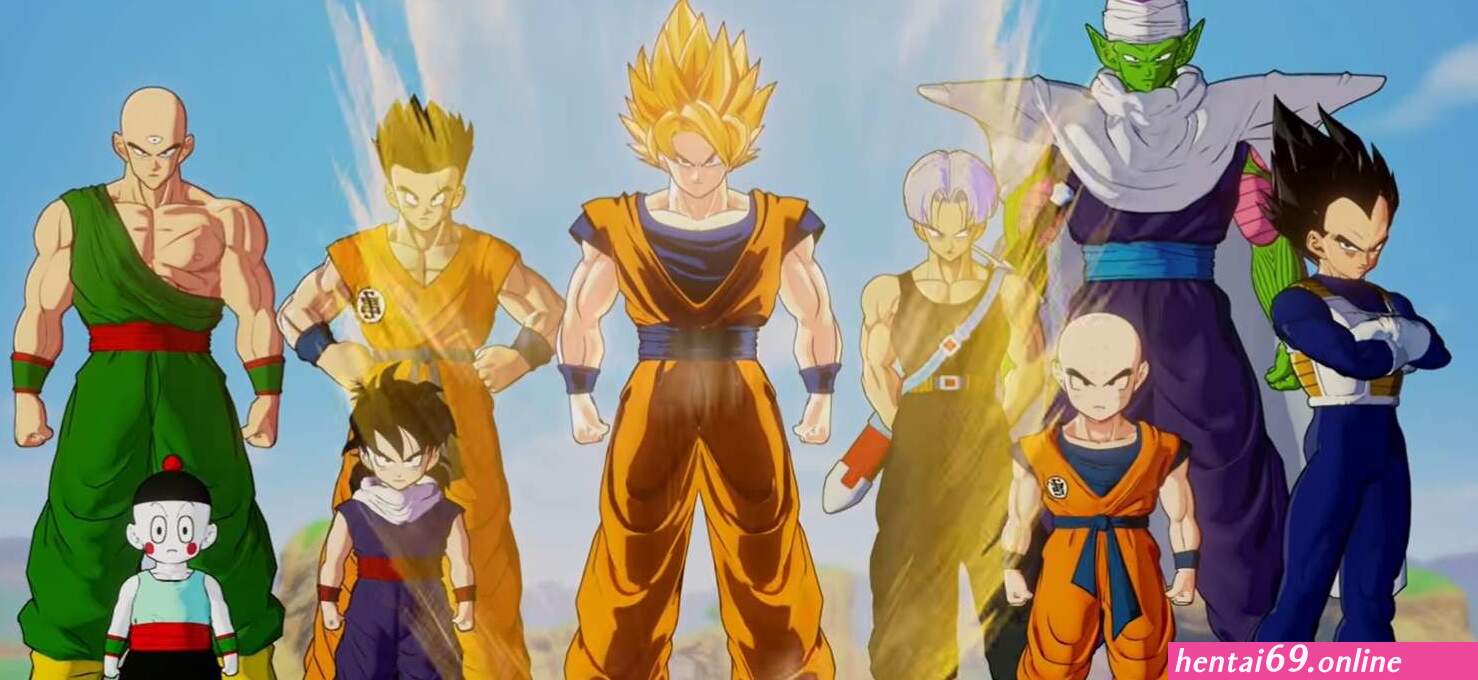

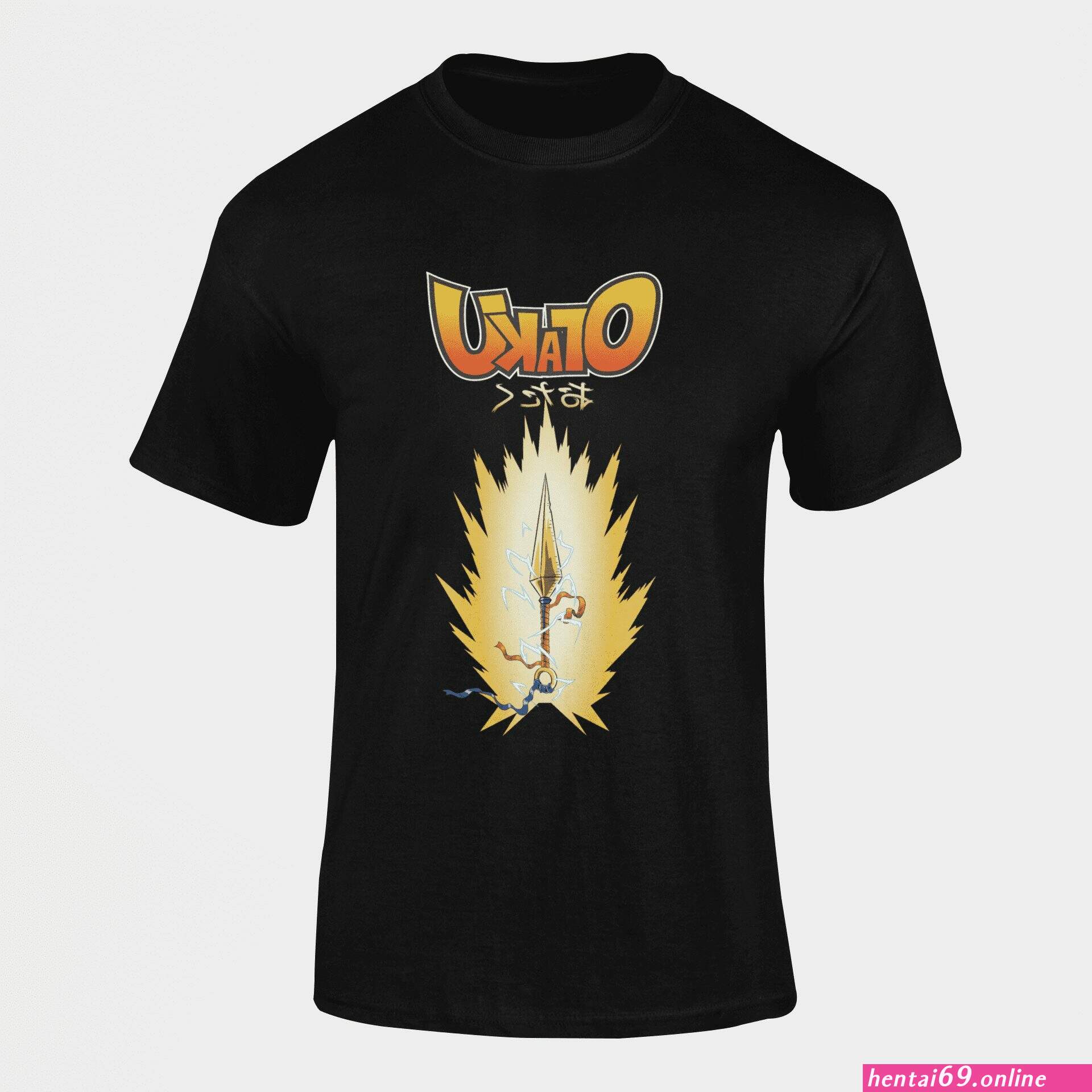

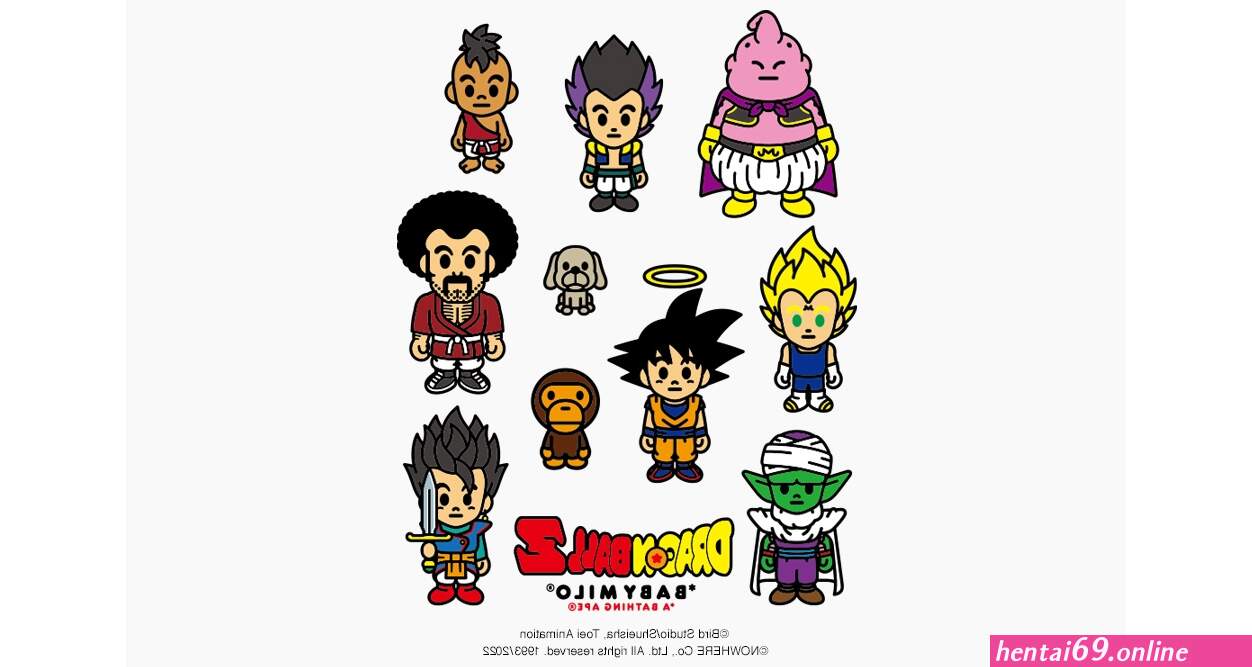




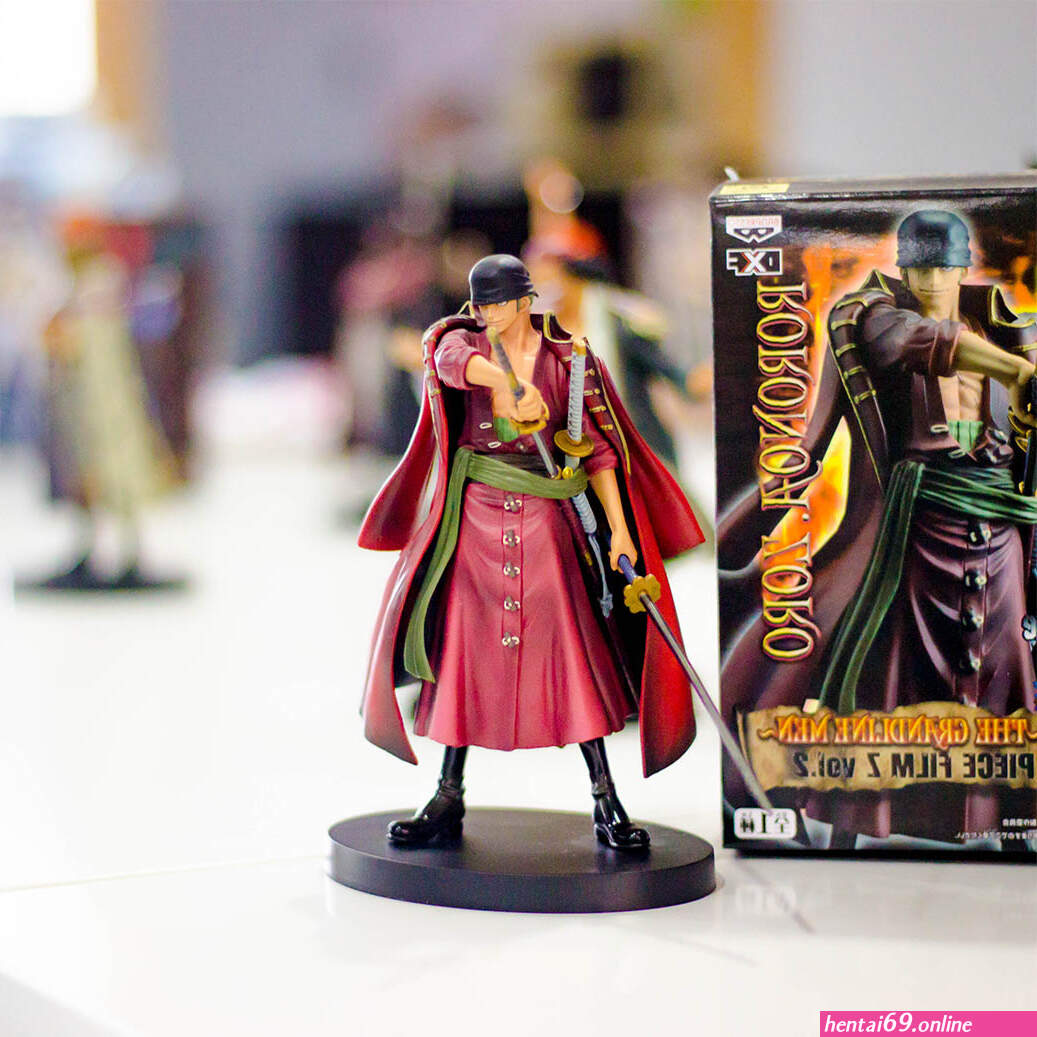

Last requirement and the simplest in life. Your room will carry items or accessories that identify you with the manga or anime. If your room, no matter how small, does not have any figure or merchandise from your favorite anime series, then find your true hobby. On the other hand, you can start practicing these activities and join the otaku community.
This game is a rip off is pay to win, those greedy assholes developers, you get trash by higher level players and they are hackers in the game but no punishment for them, I download the game in January and ever since I keep getting trash by higher level players so today I decided to uninstall the game, this game is an insult to the Otaku community is even worse than DC legends
There’s an otaku glossary at the back of the book that is also very detailed. It contains dozens of words that are commonplace in the community, but may not be fully known to non-Japanese audiences. Also, as with any great book on geek life or cosplay, Otaku Japan is loaded with photographs. There are hundreds of photos of stores, drinks, cosplay, theme parks, cityscapes, and more that will make readers curious to visit Japan.
Laluna_Otaku is one of Zambia’s most prominent cosplayers. In an interview, she said that the “local cosplay scene is a bit weak currently”, but she hopes that this will change. She was inspired to cosplay after seeing a poster of a live action Sailor Moon series and was surprised to see people dressed up as the characters.
But why study otaku at all? It’s a question even fellow academics have asked Galbraith. Older scholars, who earned their credentials in other, more conventional fields before theorizing about the subculture, recommended he do the same. (One suggested economic history as a more viable option.) But he believes not only is the massive subculture worth studying, but what academic attention it has received has been too detached, too eager to broadly theorize without first understanding actual otaku. Hence his emphasis on interviews. “I think there are a lot of political implications to just hearing people out,” he says, “Talking to them, bringing people back to the center of discussion rather than marginalizing them, which has been the way to do it for the last thirty years.”
In 1989, Japanese police apprehended 27-year-old Tsutomu Miyazaki after he’d attempted to molest a schoolgirl. Searching his home, they found evidence he’d murdered four young girls. They also found a collection of 5,763 videotapes, many of them anime and slasher films. Subsequent critics have asked whether authorities exaggerated Miyazaki’s otaku-ness to help secure a conviction; the press, meanwhile, dubbed him “The Otaku Killer.”
As Galbraith explains, the figure of Miyazaki still haunts the public perception of otaku. Debate in Japan had already focused on the supposedly reclusive, self-absorbed subculture as a growing problem. The fans were often portrayed as anti-social, withdrawing from society and surrounded themselves with fantasies. For many Japanese, otaku meant an increasing number of sullen youth who’d voluntarily taken leave of reality.
Perhaps because of this larger cultural role, the definition and understanding of otaku has long been contentious. Galbraith describes a long-running power politics surrounding the subculture. “The ‘bad’ otaku shuts off from society, in a room with the objects of consumption, not participating in ‘normal’ forms of social formation,” he says. Miyazaki embodied this stereotype, and his prominence strengthened it. “For example,” Galbraith says, “today we think of otaku as male, but before 1989, they were often described as both men and women who behaved in ways the older fans or outsiders found unacceptable.” Already, before the killings, otaku men were often portrayed as failures — socially, economically, and sexually. The term came out of the subculture, as a negative self-description. But only after Miyazaki did it take on the stronger implication of social pathology. Imagine, for example, serious, sustained, public speculation that maybe The Beatles really had made Charles Manson crazy.
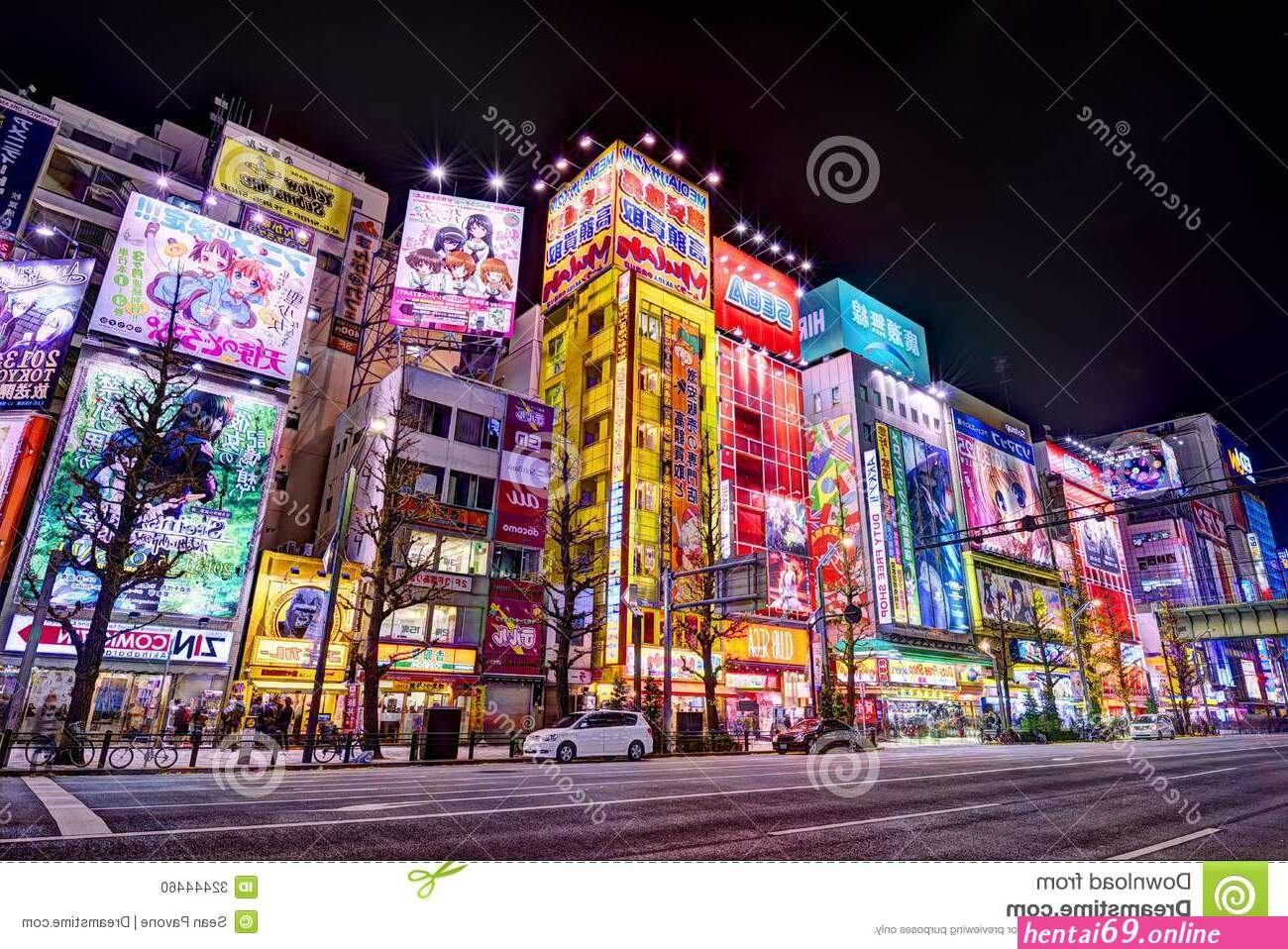
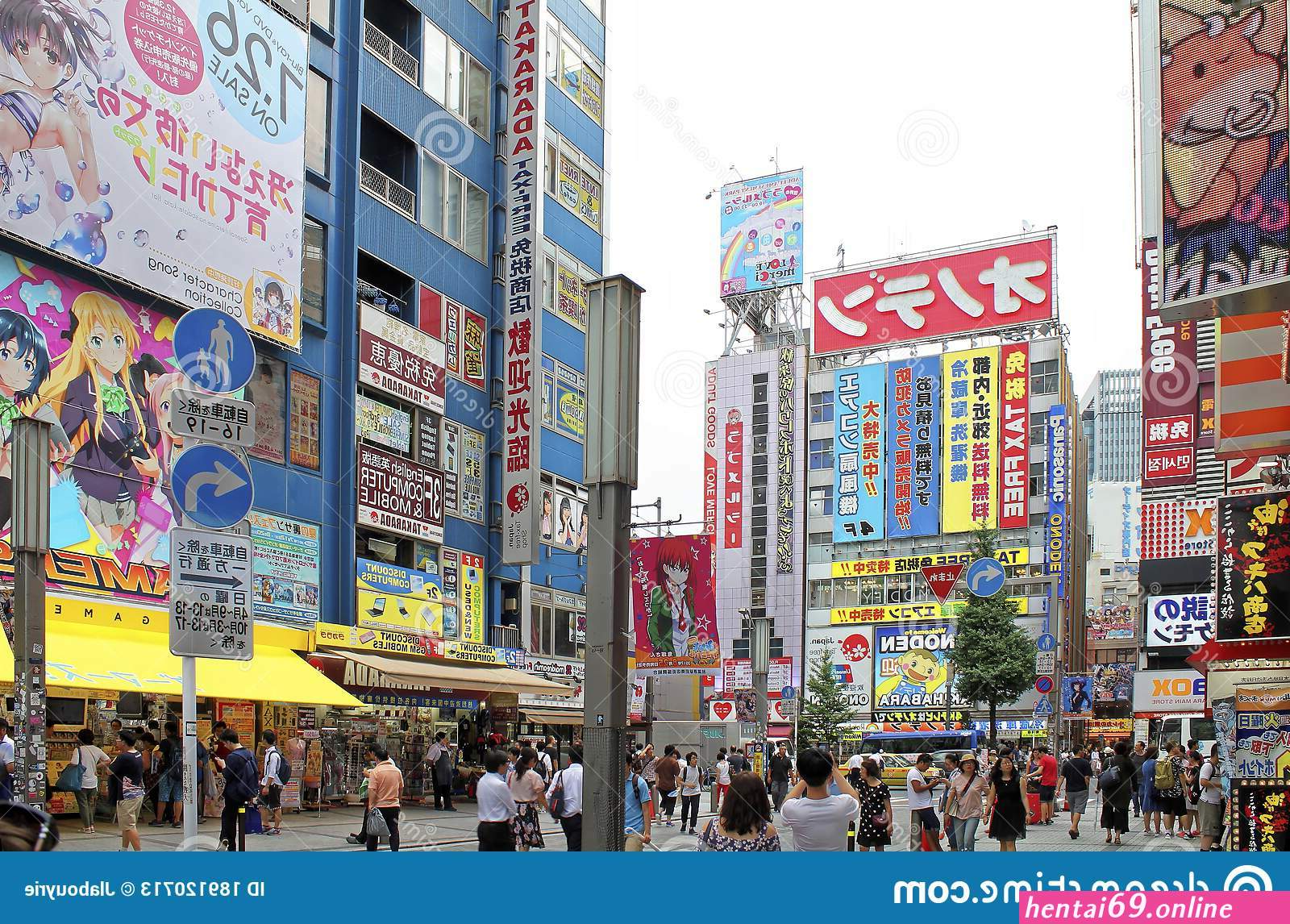
Today’s otaku have it better. The label has lost some of its sting; concurrently, more sites of “otaku-ness” have sprung up. Tokyo’s Akihabara has become probably the most recognizable otaku town in the world. Local authorities have embraced that identity, holding frequent festivals and welcoming fans. Increased public recognition has also helped broaden the culture; no longer confined to the image of an person-less room overstuffed with pop-culture flotsam, otaku can take on more positive meanings. It’s not just the obsessive, withdrawn loner — though that picture may never completely dissipate — now it can be the ardent, passionate expert.
“It’s a slippery term, as a lot of my interviews demonstrate,” Galbraith says, “A lot of people mobilize that term, with all of its historical baggage, but also all of its present meanings. I think because otaku is such a loaded and powerful word, it’s useful to talk through the possible ways you can make the label significant in your life. Whether good or bad.” Galbraith has taken on the label for himself: since discovering VHS copies of